Hotel Interior Design & RevPAR: How Rooms, Suites and Hospitality Spaces Can Drive Perceived Value and Financial Performance
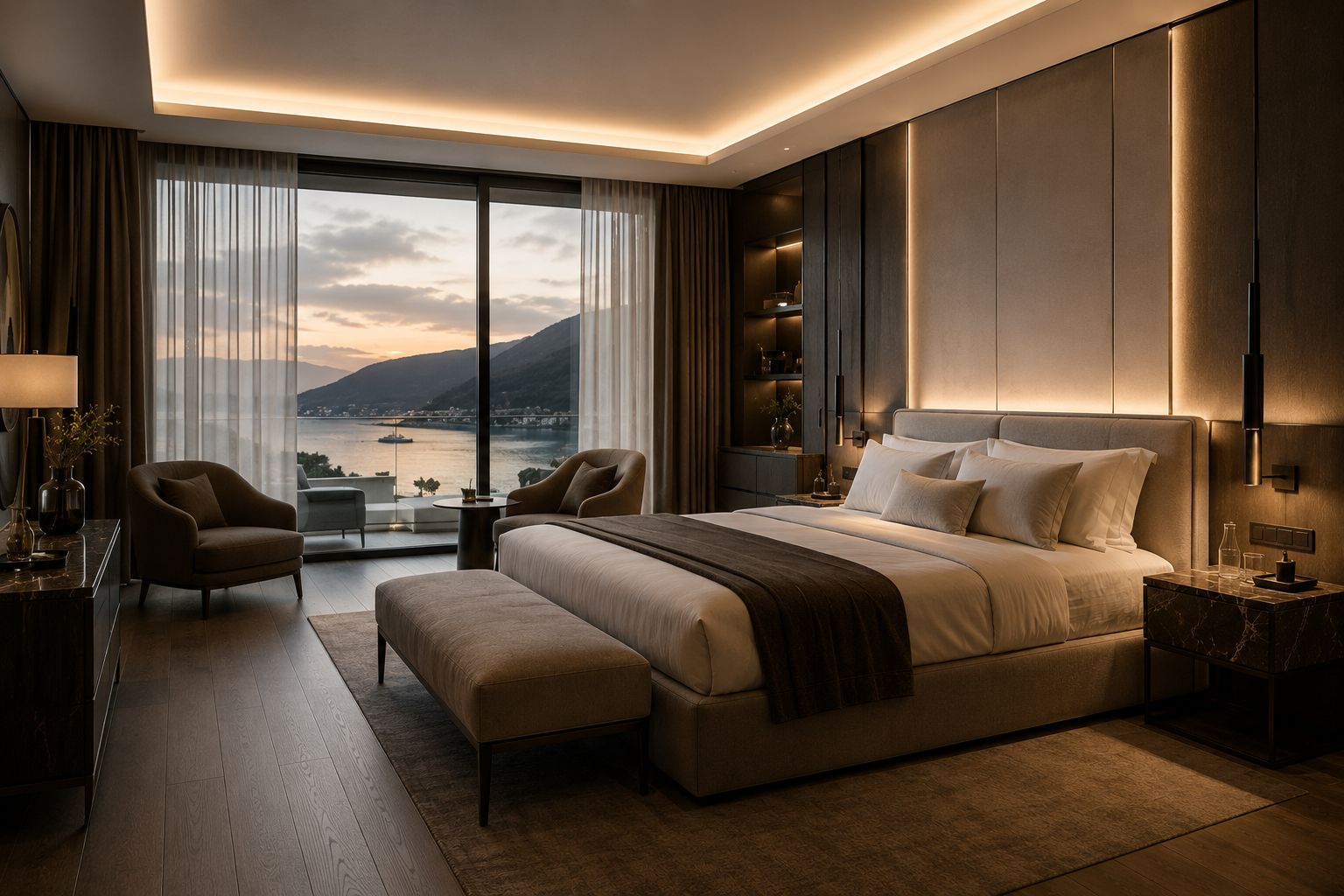
Increasing RevPAR is not simply a matter of raising room rates or maximising occupancy. It is about creating an experience that strengthens both — encouraging guests to choose the property, value the room more highly and perceive a meaningful difference from competing hotels.
This is where interior design becomes a strategic asset.
Authentic materials, considered proportions, sophisticated lighting, exceptional comfort and bespoke details can elevate a room far beyond its physical dimensions. They create an atmosphere in which quality is not simply seen, but felt — strengthening the perceived value of the stay and the hotel’s ability to compete at a higher level.
The goal is to create an experience that feels unmistakably distinctive — one whose perceived value extends beyond the room itself, supporting stronger demand, higher room rates and, ultimately, a healthier RevPAR.
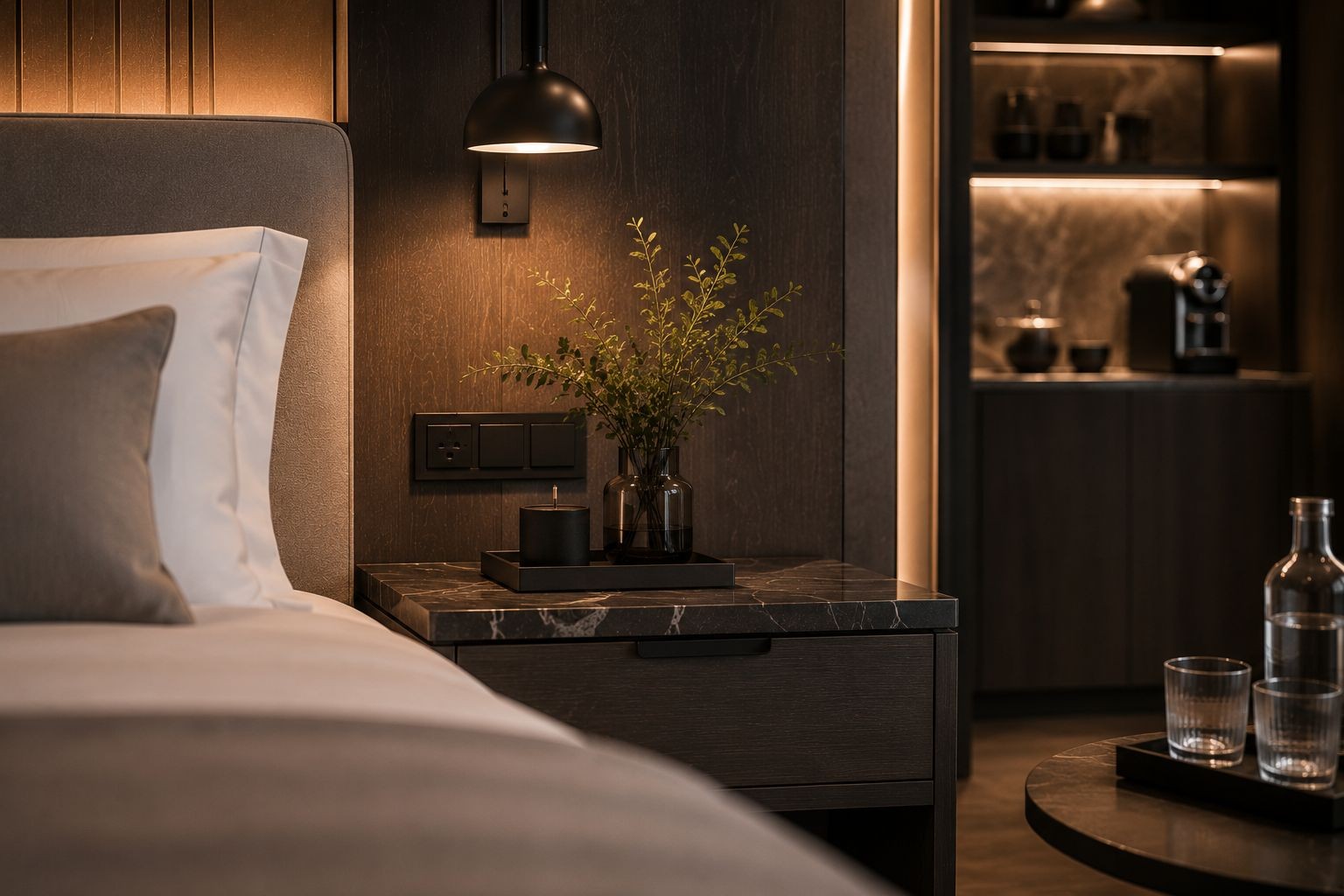
In an increasingly competitive hospitality landscape, differentiation begins with creating an experience that feels unmistakably its own.
This identity can emerge through a combination of carefully considered elements:
a statement headboard that defines the room; a distinctive material palette with its own tactile language; bespoke furniture, conceived specifically for the space; a dressing area designed as an integral part of the guest experience; authentic natural materials; seamlessly integrated lighting; refined craftsmanship details; custom architectural elements that give the interior its signature.
The result is not simply a memorable room, but a recognisable design language — an environment with the power to become part of the hotel’s identity.
A room designed to be experienced should also be designed to be remembered.
In today’s hospitality landscape, the first encounter with a hotel often takes place long before arrival — through an image, a video, a social post or a carefully curated editorial. A photogenic room can therefore communicate the property’s positioning, atmosphere and level of sophistication before a guest ever crosses its threshold.
Interior design becomes part of the hotel’s visual identity — and, ultimately, a powerful marketing asset.
The room must translate beautifully across every visual touchpoint: photography; video; social media; the hotel website; OTAs; editorial publications.
A statement headboard, a beautifully framed view, a chaise longue placed precisely where the light falls, or a sculptural dressing area can become visual signatures of the property — distinctive details that create recognition, desire and a lasting impression.
Because the most successful hospitality spaces are not only designed to be lived in.
They are designed to be seen, remembered and desired.
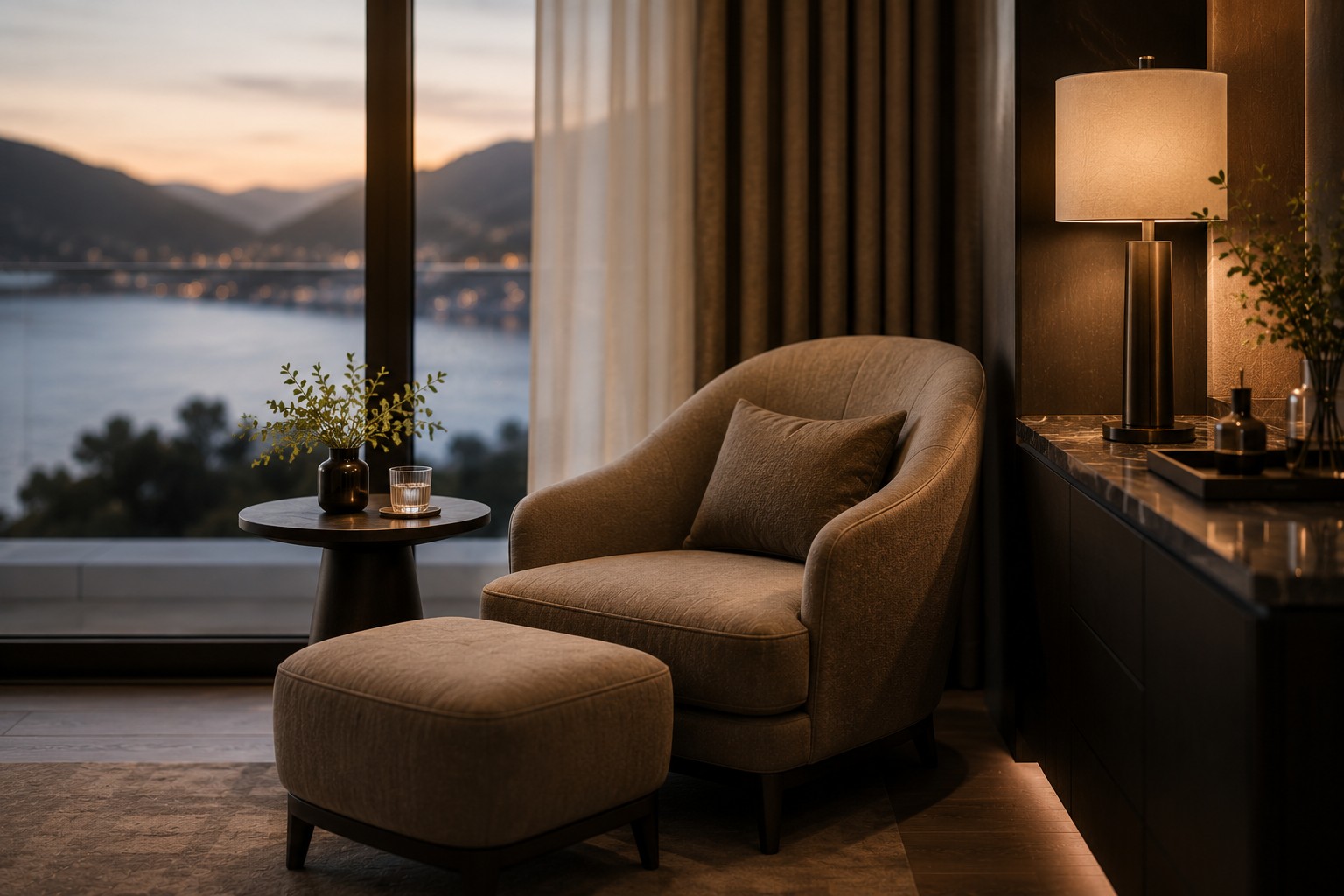
Comfort is one of the most understated — yet most powerful — expressions of luxury hospitality design.
A beautifully proportioned headboard, an ergonomically considered armchair, a chaise longue that truly invites you to linger, or a reading light placed exactly where it is needed can shape the guest experience far more profoundly than purely decorative gestures.
Contemporary luxury is no longer defined by ostentation, but by wellbeing, ease and effortless functionality.
The finest interiors anticipate the guest’s needs without drawing attention to them. Every movement feels natural, every element considered, every moment effortless.
And when design succeeds in making comfort feel instinctive, quality is no longer something the guest simply sees — it is something they experience.
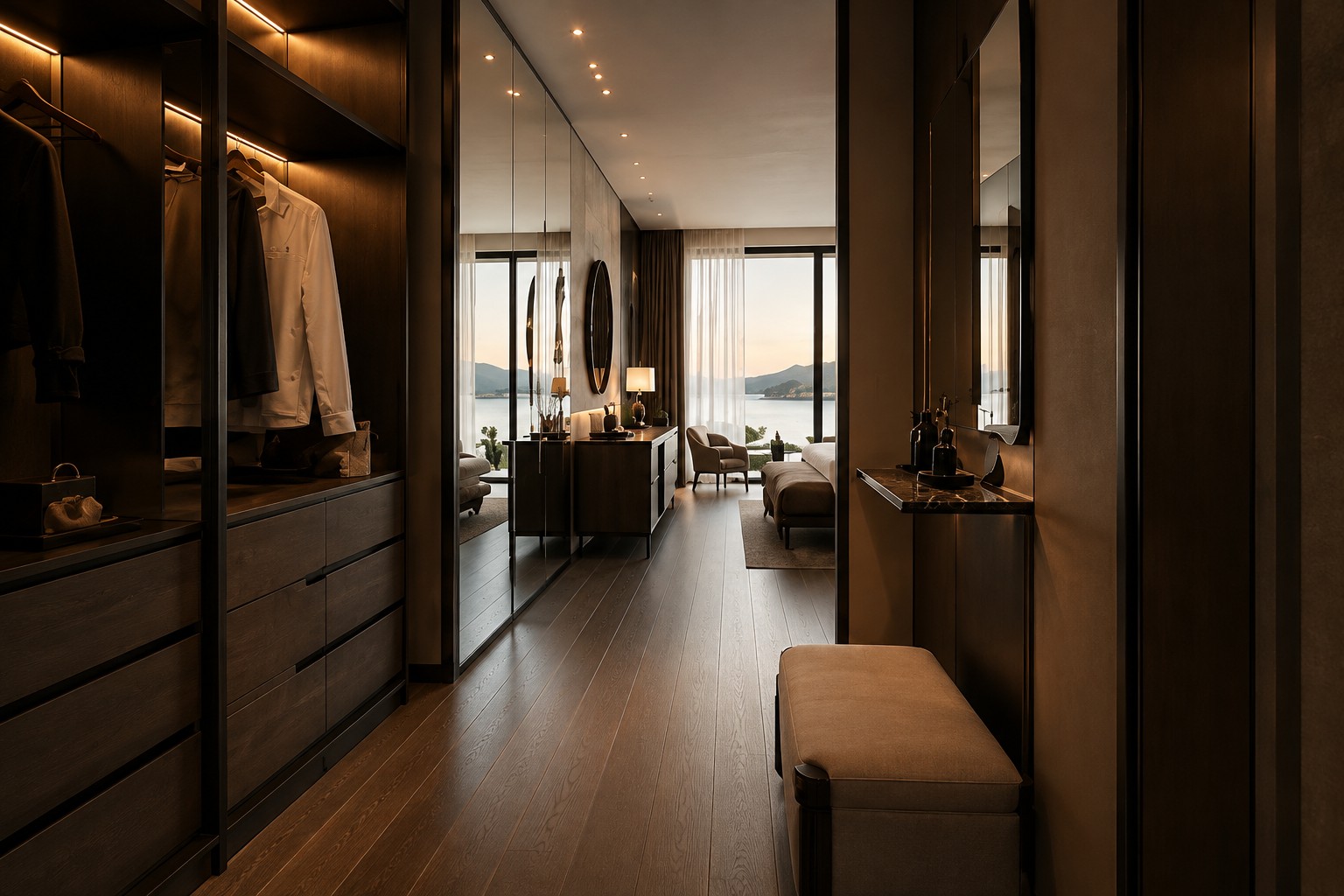
Not every element of a hotel room carries the same weight in shaping the perception of value.
The most considered interiors identify the guest touchpoints — the elements guests see, touch and use most throughout their stay.
These include the bed and headboard, lighting, bathroom, dressing area, seating, desk, frequently touched materials, handles and hardware, minibar, storage, curtains and window treatments, as well as charging points and integrated technology.
Each detail contributes to the overall experience: the comfort of a chair, the tactility of a fabric, the precision of a handle, the quality of the light.
For this reason, investing strategically in the elements that guests experience most directly can create greater perceived value than distributing the budget evenly across every furnishing element.
In luxury hospitality, the smallest details can leave the most lasting impression.
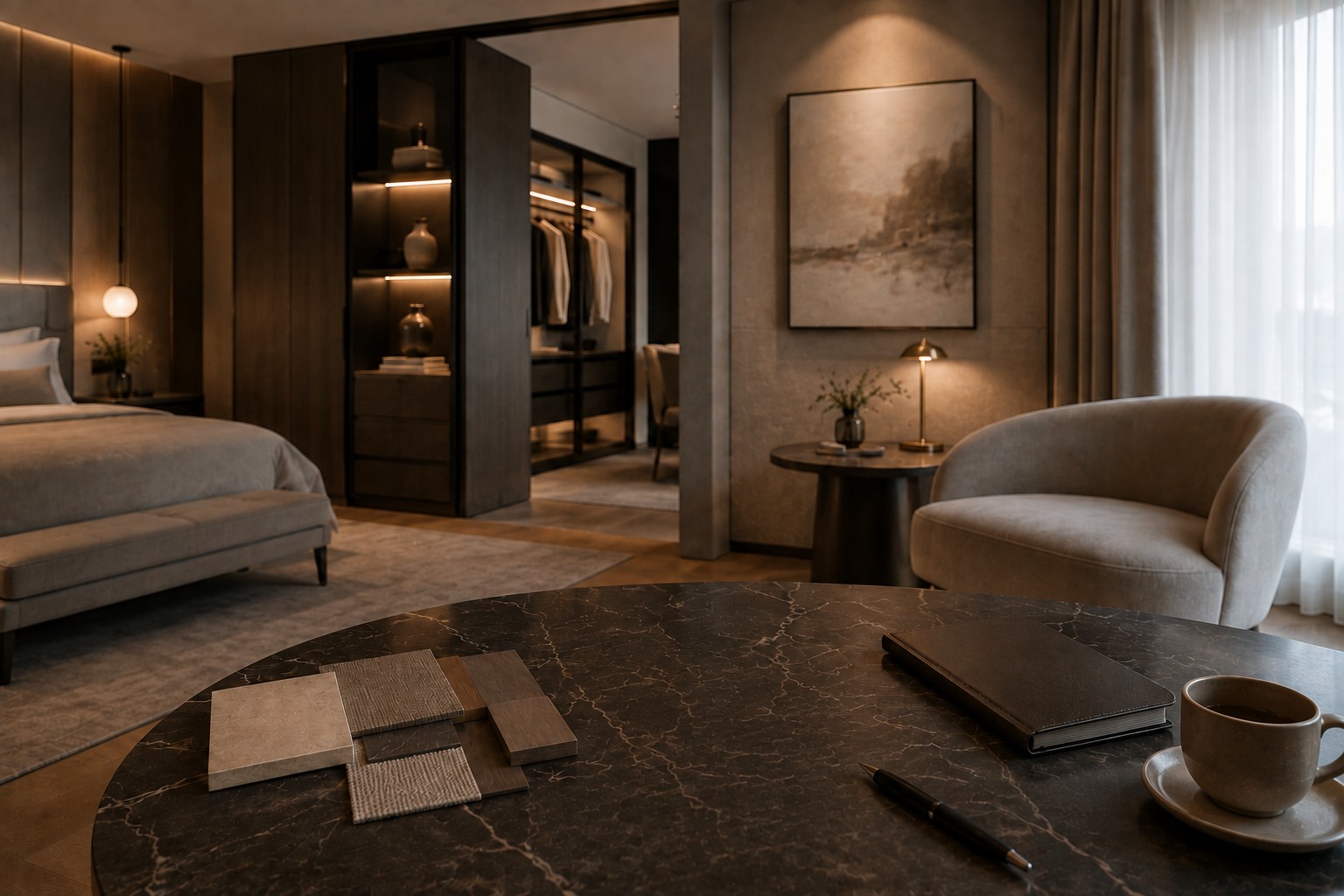
An interior design investment should never be evaluated solely on its initial cost. In hospitality, considering the Total Cost of Ownership is essential.
A furnishing solution with a higher upfront cost can ultimately prove more efficient if it: lasts longer; requires less maintenance; preserves its aesthetic quality over time; can be repaired; allows individual components to be replaced;ensures continued material availability; reduces refurbishment costs.
The right question, therefore, is not simply “How much does this furnishing cost?”
It is:
“Which investment delivers the greatest value throughout the lifecycle of the room?”
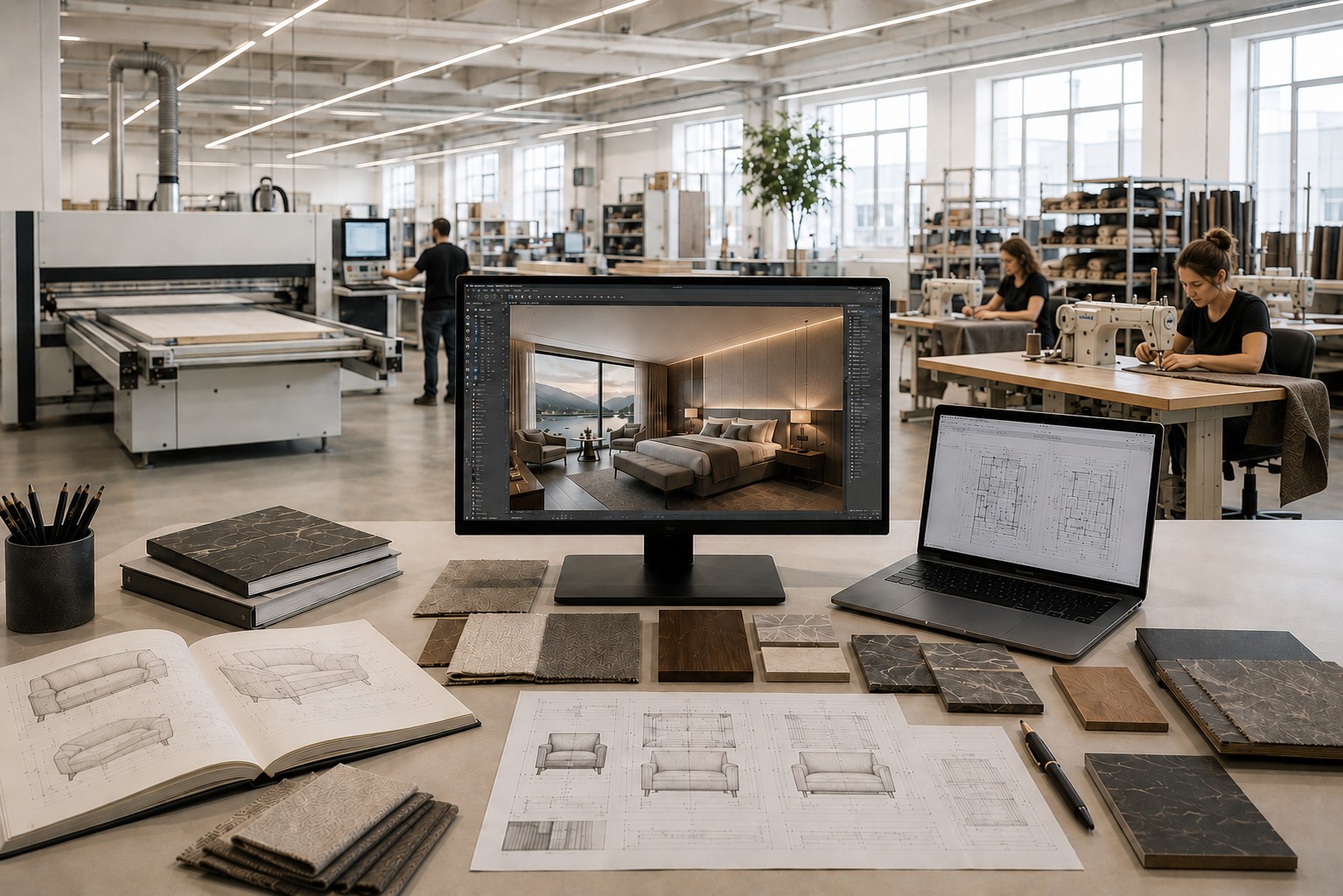
In luxury projects, even the most compelling design concept can lose its integrity during procurement and manufacturing.
Material substitutions, simplified details, inaccurate tolerances or modified components can subtly — yet significantly — alter the final result.
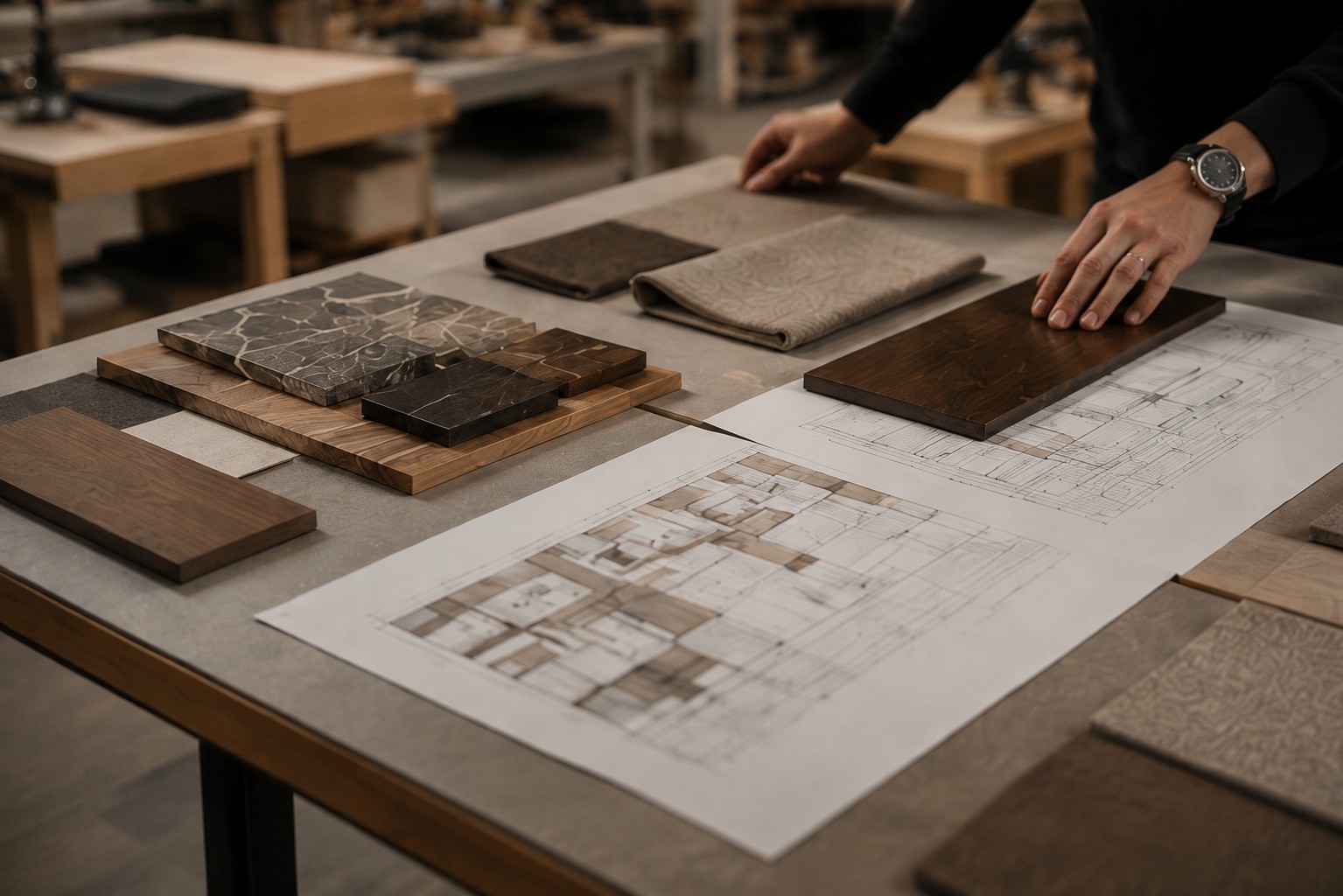
This is why a furniture manufacturer’s ability to manage engineering, prototyping and manufacturing in-house can become a strategic advantage.
When design and manufacturing speak the same language from the very beginning, the original vision can remain intact throughout the entire journey: concept → detail → prototype → production → installation
One continuous design language, from the first idea to the finished space.
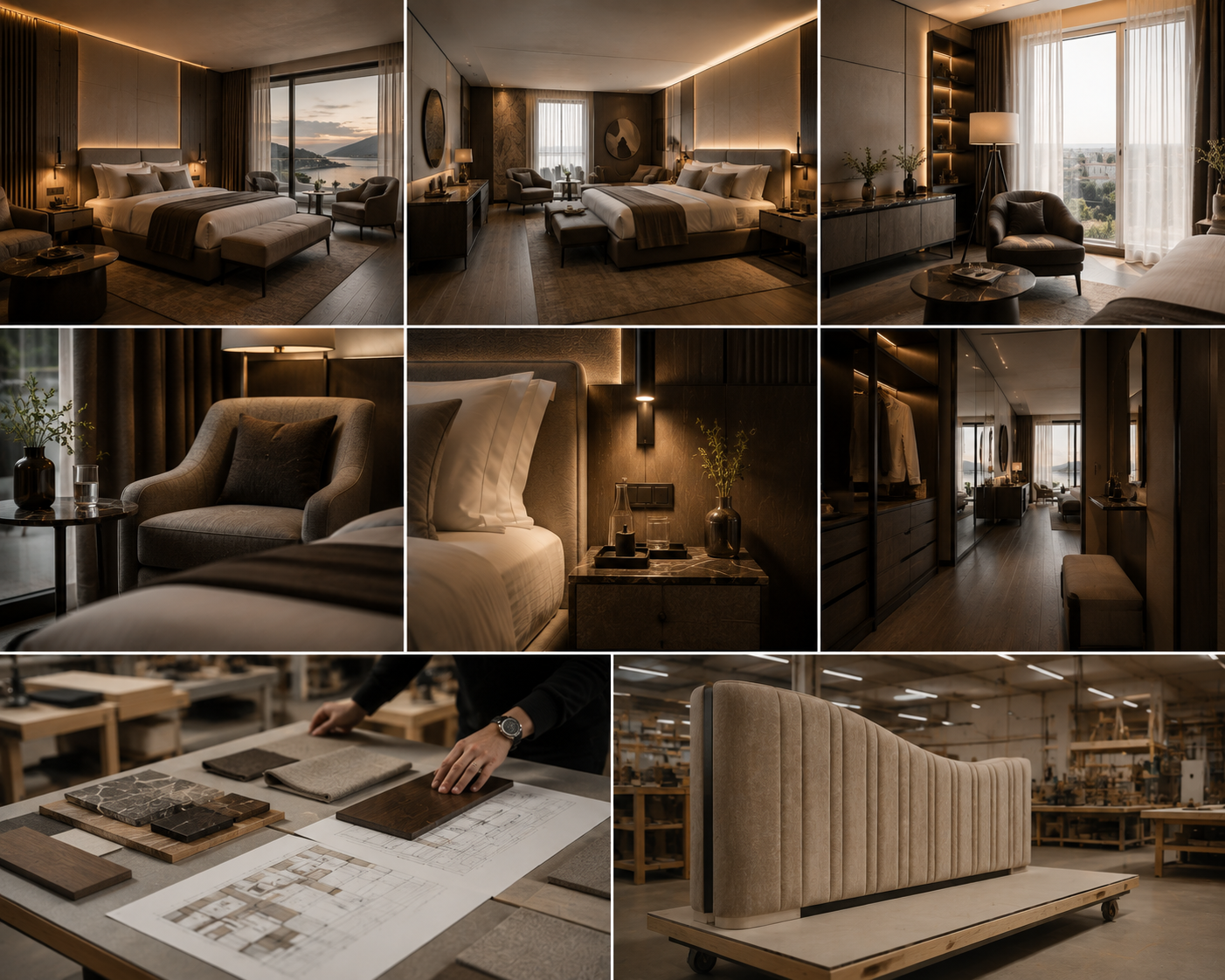
When designing or renovating a hotel, the question should not simply be: “How much does it cost to furnish this room?”
A more strategic question is: “How much value can this room generate, and what role can interior design play in strengthening its positioning?”
This perspective changes the way a room is conceived.
The bed, headboard, lounge chair, dressing area, materials and lighting are no longer considered as individual elements of the FF&E.
They become part of a broader strategy: creating an experience capable of elevating the perceived value of the room.
For this reason, in high-end hospitality projects, collaboration with a furniture manufacturer specialised in bespoke furniture, luxury hospitality interiors and custom manufacturing should begin from the earliest stages of the concept.
Former In Italia designs and manufactures bespoke furniture for luxury hospitality, private residences and special projects, integrating design, engineering and in-house manufacturing to translate the architect’s vision into spaces that are coherent, distinctive and built to endure.
Images created with generative AI for illustrative purposes.

Interior Design & Trends 2026
Manufacturing expertise by Former In Italia meets the design vision of Tihany Design
Luxury…

Insights
Interior Design & Trends 2026
In the world of luxury walk-in closets, true elegance emerges from the seamless balance between interior architecture, p…

Interior Design & Trends 2026
A journey through architecture, material and contemporary design.
Design Telemaco
The exhibition project defi…

Signature Interiors
Customization, production flexibility, and exclusivity at the heart of a custom-made project